
Are you looking to explore the National Parks in Oklahoma? From the Chickasaw National Recreation Area to the Oklahoma City National Memorial, the following six Oklahoma locations provide exciting and educational opportunities for all ages.
My family and I, who live in Oklahoma, have had the privilege of experiencing many of these amazing sites firsthand. From historical landmarks to outdoor adventures, each sight offers a great experience that’s truly worth exploring!
National Parks Oklahoma Map
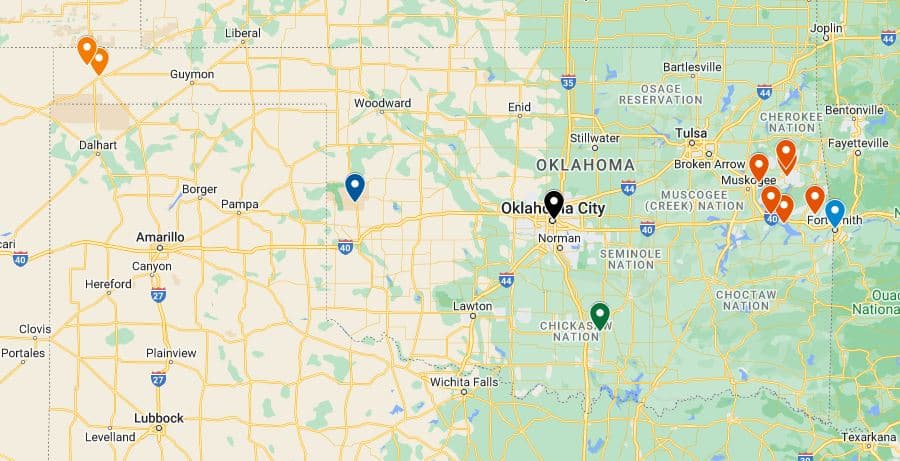
Short on time? Here’s the National Parks in Oklahoma to check out:
- Chickasaw National Recreation Area
- Oklahoma City National Memorial
- Washita Battlefield National Historic Site
- Fort Smith National Historic Site
- Santa Fe National Historic Trail
- Trail of Tears National Historic Trail
Oklahoma National Parks
Oklahoma is home to six sites operated by the National Park Service, each offering unique experiences for visitors. Visiting these places is an affordable way to experience some amazing natural and historical sites here in Oklahoma!
1. Chickasaw National Recreation Area
The Chickasaw National Recreation Area, formerly Platt National Park, is a National Park Service site located in south-central Oklahoma, offering visitors the chance to explore and enjoy the beauty of nature. The park features lush forests, crystal clear lakes, and plenty of activities for everyone from hiking to fishing. With almost 10,000 acres of land and water to explore, there’s something for everyone here!
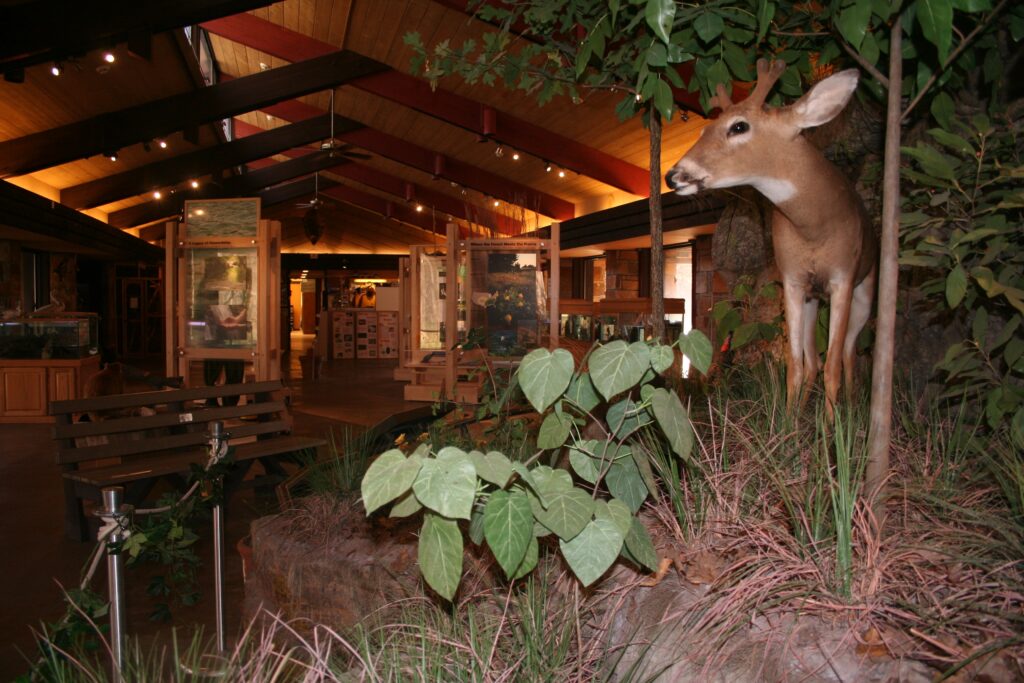
The Travertine Nature Center at Chickasaw National Recreation Area is a great destination for visitors of all ages and a great place to start when visiting the park. The center offers interactive, educational exhibits about the area’s natural history and ecology as well as live fish, reptiles, and amphibians.
Young visitors can join the Junior Ranger Program, which encourages children to explore nature through activities like identifying plants and learning about animals in the park. Once the booklet is complete, head back to the nature center to collect the Junior Ranger Badge.
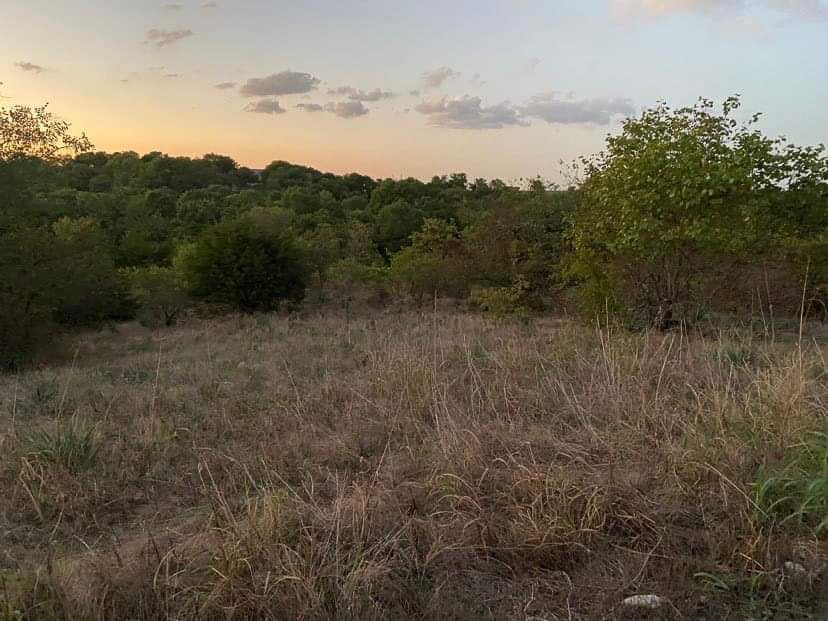
There are numerous trails available for hiking or biking throughout the park that range from easy to difficult terrain. There are certain trails that bikes cannot be ridden on so be sure to check before starting your adventure.
Boating is available on the Lake of the Arbuckles with access to the lake provided by four launch ramps. Permits are required for boats and can be bought through fee machines at the Point, Guy Sandy, and Buckhorn launches. If you want to enjoy Veterans Lake, you are allowed to use canoes, kayaks, and no-wake boats.
Swimming is allowed in the Lake of the Arbuckles, Rock Creek, Veterans Lake, and Travertine Creek downstream of Little Niagra. Swimming is not allowed upstream of Little Niagra and any areas around docks or boat ramps.

If you are looking to stay the night at the Chickasaw National Recreation Area you will want to bring your camping gear. There are six campgrounds with around 400 campsites to choose from. Some of these can be reserved while others are on a first come first served basis. Campground rentals range from $20 to $50 per night depending on the amenities and size.

The Chickasaw National Recreation Area is open year-round with no admission charge.
2. Oklahoma City National Memorial

The Oklahoma City National Memorial is a National Park Service site located in downtown Oklahoma City. It serves as a tribute to the victims, survivors, and first responders of the April 19th, 1995 bombing of the Alfred P. Murrah Federal Building in which 168 people lost their lives and over 600 were injured. The memorial stands today as an enduring reminder of the tragedy that occurred here more than 25 years ago.
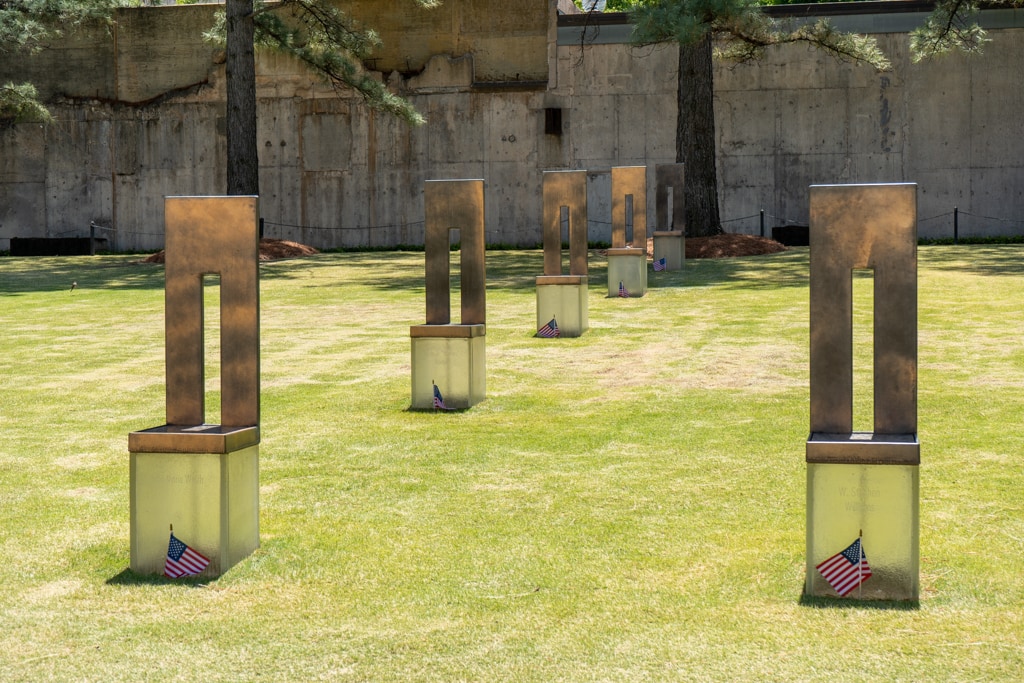
The memorial consists of two parts: an outdoor symbolic memorial with monuments and sculptures dedicated to those affected by the bombing, and a museum containing artifacts from that day as well as stories from survivors and family members who lost loved ones in this event. Visitors can also take part in guided tours led by National Park Service rangers or explore on their own using audio guides available at no cost through the Stronger Together App.
Walk the grounds to reflect on the events that unfolded here. The Gates of Time, which stands on either side of the Reflecting Pool, are inscribed with the time before and after the explosion. The Field of Empty Chairs honors the 168 victims killed in the attack including 19 smaller chairs for the children that lost their lives.

The grounds also feature several monuments that honor survivors, first responders, children, and those who supported the healing in the aftermath. The Survivor Tree, which survived the bombing, is a beacon of hope. There is also a Survivor Wall with the names of survivors.

The outdoor memorial is free and open 24 hours a day year-round. There is a Junior Ranger program for kids to learn about the memorial and earn a Junior Ranger Badge. Find a park ranger wandering the grounds to get the booklet.
The indoor museum is open from 9-5 Monday through Saturday and 12-5 on Sundays. There is an admission fee for the museum, and it is closed on major holidays.
3. Washita Battlefield National Historic Site
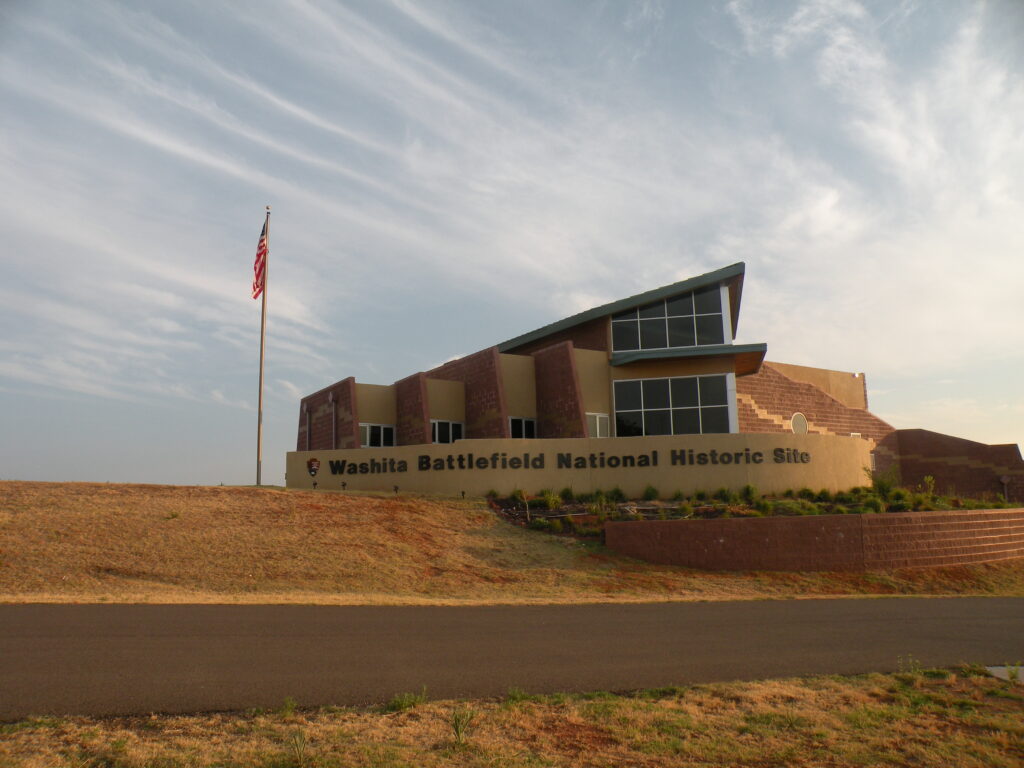
The Washita Battlefield National Historic Site is located in western Oklahoma near Cheyenne. On November 27, 1868, the U.S. Army led by Colonel George A. Custer attacked Chief Black Kettle’s Cheyenne village.
Start your visit to this historic site at the visitor center. Watch 27-minute the Destiny at Dawn park film before looking at the museum. There are bison objects on display that teach about the animal and its significance to the Cheyenne people.
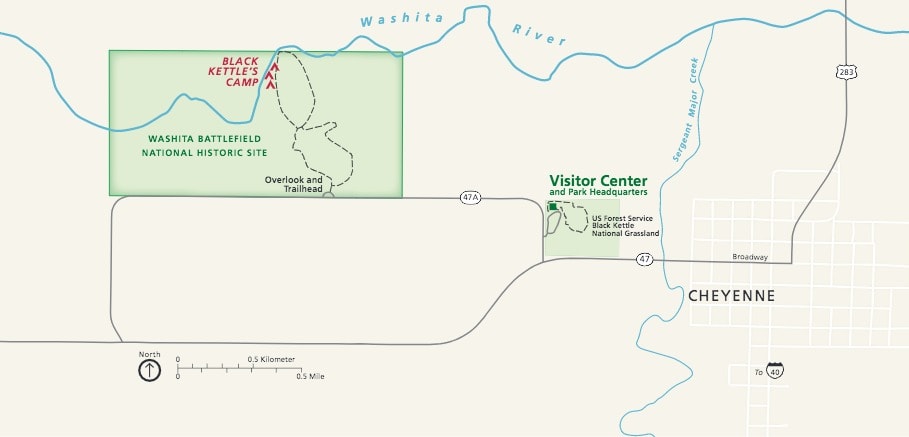
Head outside to take a walk along the 1/2 mile paved Dust and Fire Trail. This trail highlights the flora and fauna of the area. It also has a dugout house and a windmill along the way.
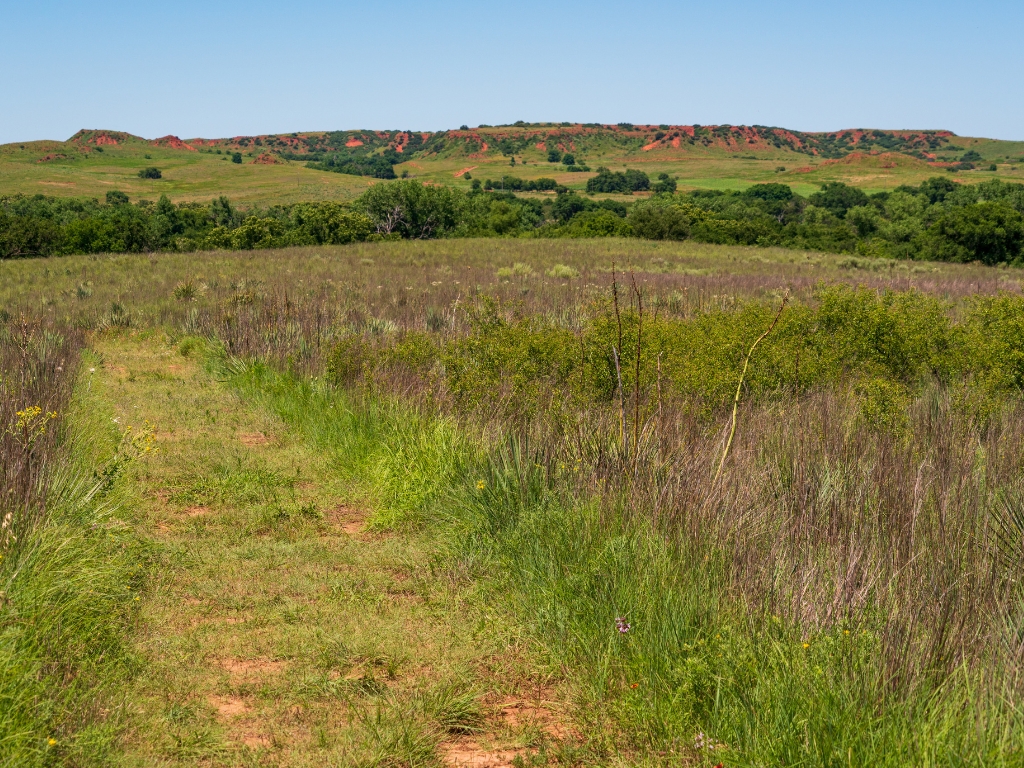
Drive about half a mile west to the site of the attack. The Washita Battlefield Park Trail is a 1.5-mile partially paved self-guided trail. There are 15 numbered stops along the trail. Use the trail brochure located at the trailhead to get the most out of your visit.
The Washita Battlefield National Historic Site is free to visit. The visitor center is open 7 days a week but closed on major holidays. There is also a junior ranger program for kids to learn about the park and earn a Junior Ranger Badge.
4. Fort Smith National Historic Site

The Fort Smith National Historic Site is located on the border between Arkansas and Oklahoma. It offers visitors the chance to learn about the fort’s military history during the 19th century, westward expansion, the federal court’s influence on Indian Territory, and Native American policies and removal.
The park features the original foundations of the fort and the Commissary building as well as a reconstruction of the gallows.
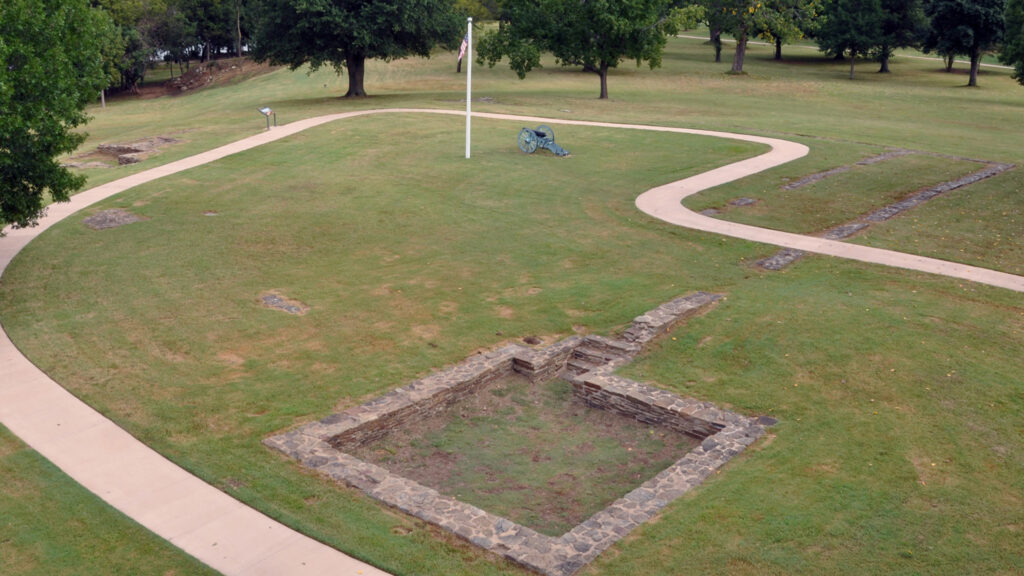
Walking the Parade Grounds provides an opportunity to see where soldiers lived and worked while stationed at Fort Smith in the mid-1800s. Take a stroll along the cement River Loop Trail to view interpretive wayside exhibits.
There is now no fee to visit the park.
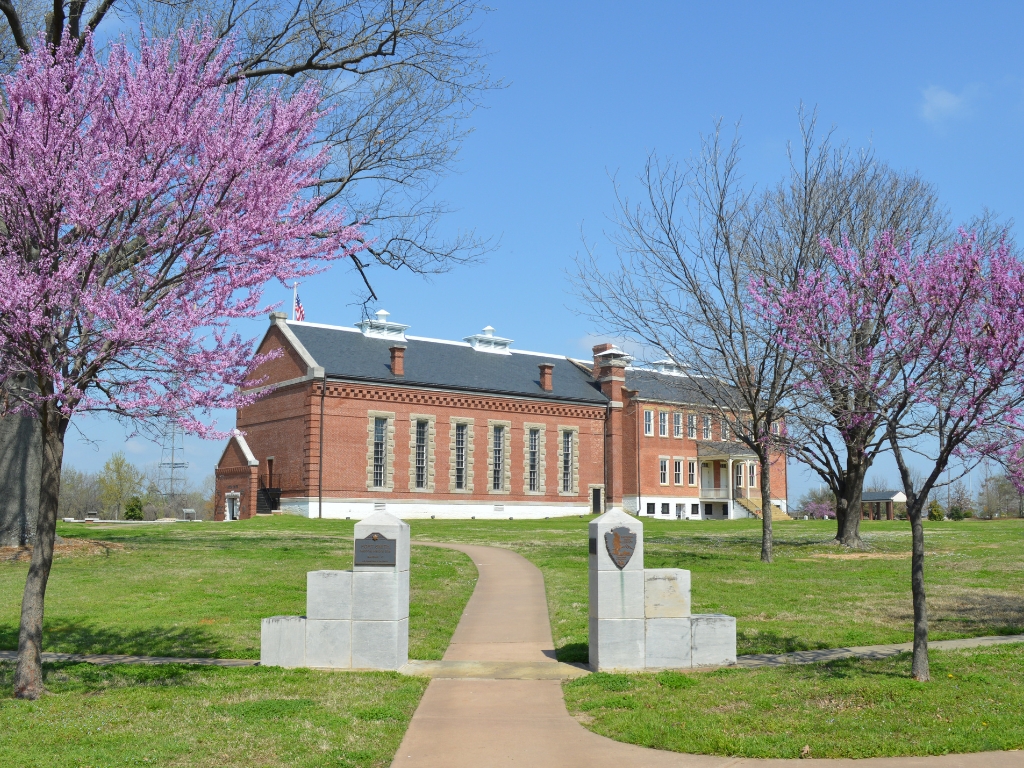
The Fort Smith National Historic Site offers two programs for kids: the Time Ranger program and Fort Smith Junior Ranger. Grab a worksheet and an activity book at the visitor center to complete these programs and earn badges.
5. Santa Fe National Historic Trail
The Santa Fe National Historic Trail stretches over 800 miles and passes through five states including Missouri, Kansas, Colorado, Oklahoma, and New Mexico. The trail became an important international trade route between the United States and Mexico during the 19th century.
The trail passes through Oklahoma in the panhandle. There are two sights along the trail in Oklahoma worth visiting: Cimarron Heritage Center and Autograph Rock.
At the Cimarron Heritage Center, visitors can learn all about the history of Cimarron County. There is a Santa Fe Trail exhibit that offers a glimpse into the lives of those who traveled along the trail. Through captivating photographs, artifacts, and interpretive exhibits, visitors can learn about Cimarron County’s history on this iconic trail.
The Center is host to a variety of other exhibits including military, paleontology, a general store, ranching relics, and historic newspapers. Step back in time to the Dust Bowl era and explore a recreated home and exhibit that reveals how people lived during this tumultuous period.
There is no fee for admission. Donations are appreciated.
Located along the Santa Fe National Historic Trail in Oklahoma, Autograph Rock serves as a reminder of those who traveled the trail during the 19th century. Visitors can see the signatures carved into the rock and imagine what life was like for them during their travels.
Autograph Rock is located approximately 7 miles north and 7 miles west of Boise City, Oklahoma. It is located on private property. Ask at the Heritage Center about gaining permission to visit.
6. Trail of Tears National Historic Trail
Spanning over 2,200 miles and crossing through nine states including Alabama, Arkansas, Georgia, Illinois, Kentucky, Missouri, North Carolina, Oklahoma, and Tennessee – the Trail of Tears National Historic Trail serves as a reminder of an important piece of our nation’s history.
The trail is a memorial to the Native American tribes who were forcibly removed from their ancestral homelands in the southeastern United States during the 1830s. Thousands of people made this treacherous journey.
The segment that passes through Oklahoma is located in the northeastern part of the state near Tahlequah and Muskogee. Along this portion of the trail, you will find many historical sites to visit.
Hunter’s Home

Hunter’s Home, built in 1845, provides insight into life on a pre-Civil War antebellum Cherokee plantation. Located near Tahlequah in Park Hill, Hunter’s Home features original structures such as the historic home, kitchen garden, field crops, animals, and log cabin. It is the only place of its kind left standing in Oklahoma.
Learn about the Murrell family that built the home, the impact of the Civil War, and the connection to John Ross. Ross is a notable figure to the Cherokee people that was chief for a number of years.
Cherokee Female Seminary
Located on the campus of Northeastern State University in Tahlequah is the Cherokee Female Seminary, now known as Seminary Hall. The Cherokee Female Seminary was originally built in 1851 and later rebuilt in 1889 after a fire destroyed the original.
The Cherokee people prioritized education. It built this school to provide an opportunity for young Cherokee women to receive a quality education. It is listed on the National Register of Historic Places.
Sequoyah National Wildlife Refuge
The area that encompasses the Sequoyah National Wildlife Refuge, especially the Arkansas River, has been used by Native Americans dating back to the 1100s. Now, the area provides sanctuary to migratory waterfowl and other wildlife in the area.
Webbers Falls
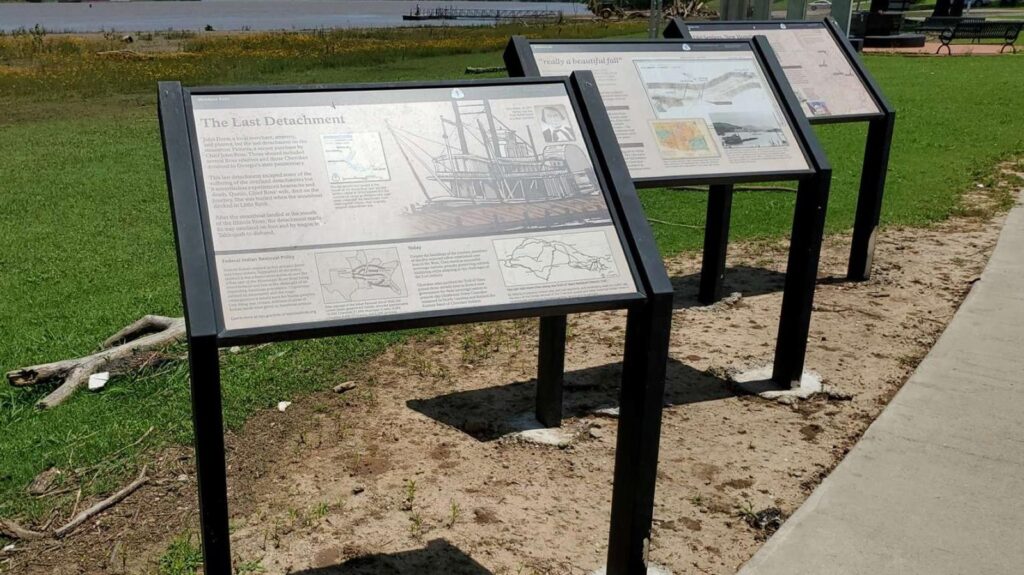
Stop by the waterfront at Webbers Falls to learn about the Cherokee settlement that was here prior to the Trail of Tears.
Sequoyah’s Cabin Museum
Sequoyah was an influential Cherokee scholar who is best known for creating the written syllabary of his native language. At Sequoyah’s Cabin, you can learn about the life and works of this remarkable man.
Sequoyah’s Cabin is free to visit. It is located in a 10-acre park.
Fort Gibson Historic Site
Fort Gibson played a pivotal role throughout the 1800s. It was the headquarters to implement the removal of Native Americans from the East. The fort was later used for expeditions heading West and also during the Civil War.
Visitors to Fort Gibson Historic Site can view a replication of the initial log fort and stockade as well as original constructions from 1840-70s. There is also a museum and walking trail.
Oklahoma Outdoor Junior Ranger Program
The Oklahoma Outdoor Junior Ranger program is a great way for kids of all ages to learn more about the National Parks in Oklahoma. Kids must visit the Washita Battlefield National Historic Site, Oklahoma City National Memorial, and Chickasaw National Recreation Area to complete activities in the Outdoor Ranger activity book. The number of activities required depends on the child’s age.
Final Thoughts: National Parks in Oklahoma
Oklahoma is a great state for those who love to explore the outdoors and learn about American history. The national parks sites in Oklahoma offer something for everyone, from beautiful hiking trails to historic places. And with so many parks to choose from, you’re sure to find one that’s perfect for your next adventure!
- For information on other U.S. National Parks, check out these posts.


