
Big Bend National Park, located in southwest Texas, is a spectacular natural wonderland that attracts visitors from all over the world. Covering over 800,000 acres, the park is home to a diverse range of landscapes, from rugged mountains to sprawling desert plains.

My family and I visited Big Bend for a few days over spring break during a bigger trip to see the National Parks in the area. The weather didn’t cooperate to be able to do all of the hiking that we wanted. But, we were able to get a taste of what this beautiful park had to offer.
We had a great time and can’t wait to go back! In this post, we dive into planning a three-day Big Bend National Park with kids itinerary and highlight the park’s must-see sights and activities.

Is Big Bend National Park Good for Kids?
Yes, Big Bend National Park is a great family friendly destination. It offers a variety of kid-friendly activities and wildlife sightings. The park has trails suitable for all ages, in addition to fishing, birdwatching, and stargazing.
Ranger-led programs and educational activities provide learning opportunities for kids. However, keep in mind that the park is remote, hot, and dry. Come prepared for a memorable visit with kids to Big Bend National Park.
Big Bend National Park Junior Ranger Program
Big Bend National Park offers an exceptional Junior Ranger program that allows young aspiring adventurers to explore the park’s rich natural and cultural history. By participating in this program, children have the opportunity to earn a Junior Ranger badge by learning about the park and engaging in exciting activities.
Young adventurers can also take part in the Panther Path, Hot Springs Canyon, and Emory Peak discovery challenges to earn special patches for each completed challenge. The Junior Ranger program at Big Bend National Park is an excellent way to ignite your child’s love for nature and exploration.
Big Bend National Park Itinerary: 3 Perfect Days
After arriving at Big Bend National Park, the first thing you will notice is the vast expanse of natural beauty surrounding you. The park is home to three main areas: the Ross Maxwell Scenic Drive, the Chisos Mountains, and the Rio Grande Village. Ideally, spend a day exploring each area.
Big Bend National Park Day 1: Ross Maxwell Scenic Drive
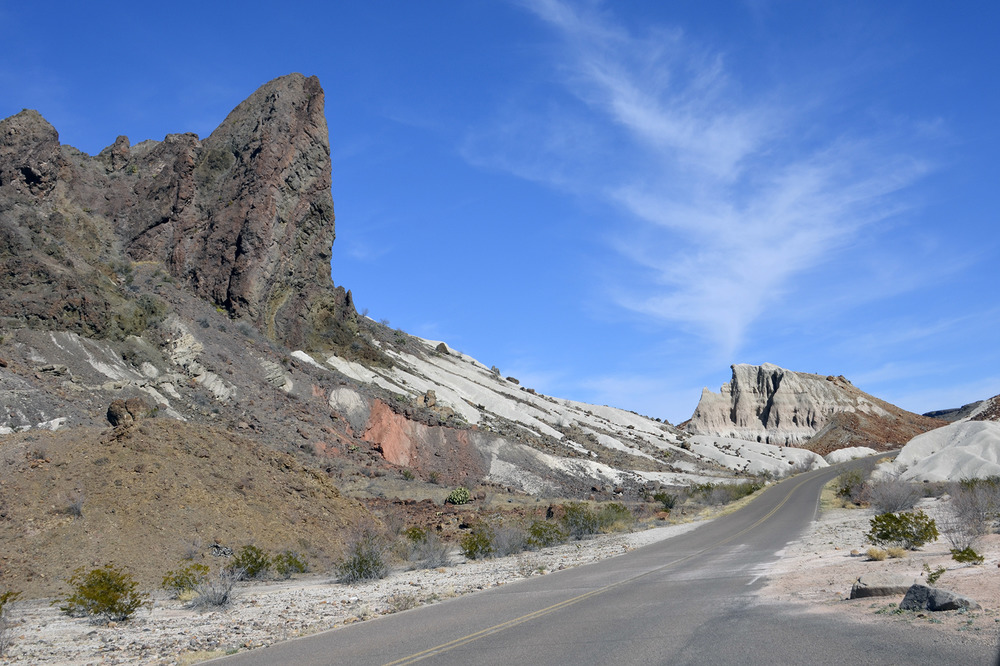
The Ross Maxwell Scenic Drive, an absolute must in the park, is a stunning stretch of road spanning 30 miles on the western edge of Big Bend. The drive offers breathtaking views of the natural beauty of the area.

Spend your first day in Big Bend National Park with kids exploring the sights along this drive. I cannot adequately describe how beautiful and rugged the landscape is. You can just drive along and enjoy the views or get out of the car to go on a few hikes along the way.
Hiking Trails
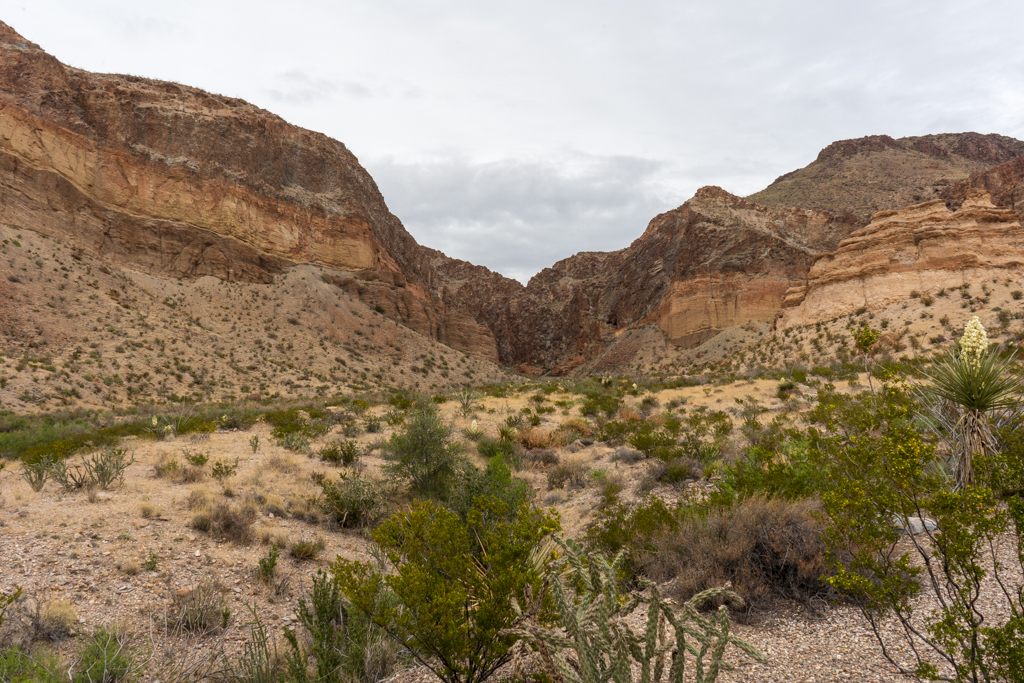
If you’re on the hunt for an easy hike to complement your visit to Big Bend National Park with kids, the Lower Burro Mesa Pour-off Trail could be just what you’re looking for. The trail itself is only a mile round trip, but it offers a glimpse into the unique geology of this incredible region.

The gravel drainage at the start of the trail might not seem particularly noteworthy, but the 100-foot pour-off at the trail’s end is sure to leave you impressed.
Tuff Canyon Trail is another great short hike in the area. However, it has been closed due to rockslides. For a longer hike, the Mule Ears Spring Trail might be for you. It is a 3.8-mile round-trip hike through the foothills of the Chisos Mountains.
Santa Elena Canyon
One of the most popular trails in the park is the Santa Elena Canyon Trail. This 1.5-mile round-trip hike takes you across the bed of Terlingua Creek before you are faced with the canyon wall. The trail is relatively easy and can be completed in about 1 hour.

This is one of the best hikes in the parks and should not be missed.
Old Maverick Road
Once you get to the end of Ross Maxwell Scenic Drive, you can go back the same way or head north on Old Maverick Road. This 14-mile improved dirt road runs between Santa Elena Canyon and Maverick Junction. The road is usually traversable for most vehicles, though it tends to be bumpy and rough.
Big Bend National Park Day 2: Chisos Basin

The Chisos Basin in Big Bend National Park is a special place. It’s the only mountain range located entirely within the park and offers breathtaking views of rugged peaks and desert plains. The area is home to an array of wildlife and has a completely different feel than the rest of the national park.

Start day 2 of your trip to Big Bend National Park with kids with a visit to the Chisos Basin Visitor Center, located in the heart of the Chisos Mountains. Here, you can get information about the park’s hiking trails, wildlife, and geology. The visitor center also has exhibits and displays that provide insight into the park’s history and natural wonders.
Hiking Trails
After checking in at the visitor center, it’s time to start exploring. Visitors can explore the Chisos basin via trails that range from easy walks to challenging hikes.
One of the most popular hikes in the park is the Lost Mine Trail, which offers spectacular views of the surrounding mountains and desert. The trail is a moderate 4.8-mile round-trip hike that takes about 3 hours to complete. Along the way, you will see incredible rock formations and diverse plant life, and if you’re lucky, you might spot some wildlife, such as black bears or deer.

Another popular trail in the Chisos Mountains is the Window Trail. This 5.6-mile round-trip hike takes you to a natural stone “window” that frames a panoramic view of the desert below. The trail is relatively easy and can be completed in about 2-3 hours. Along the way, you will pass through a shaded canyon and see various rock formations, including the famous Balanced Rock.

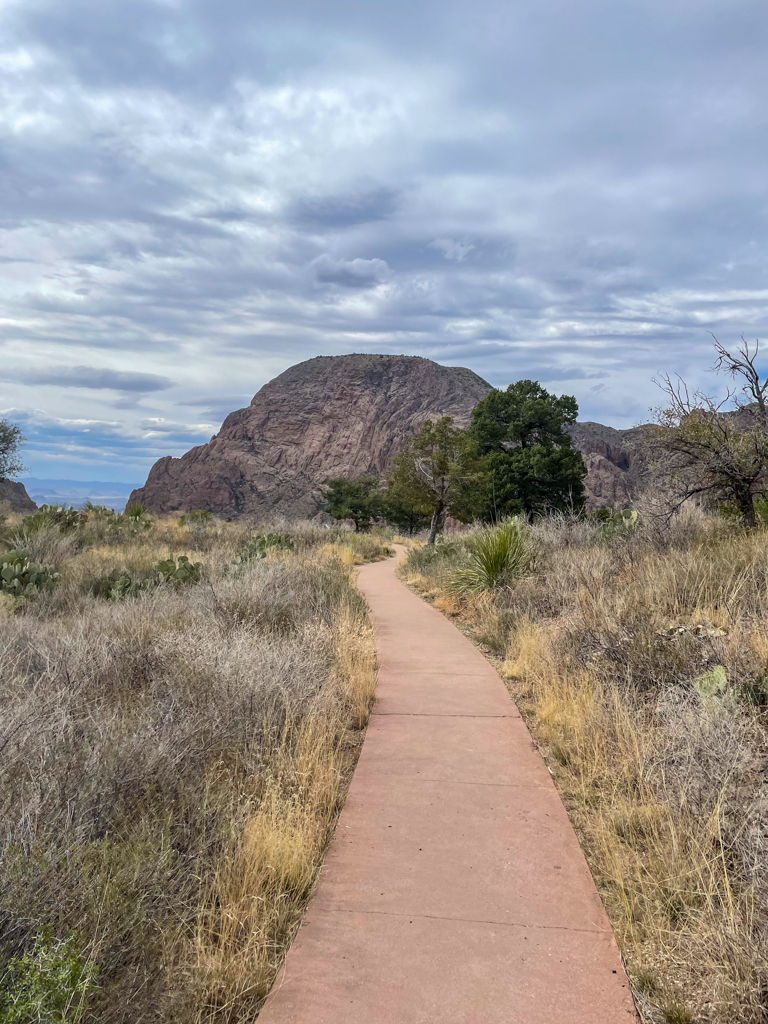
If you are short on time or long hikes are not your thing, there are a few shorter trails that you can enjoy in the Chisos Mountains. Walk the short 0.3-mile Window View Trail for great views. The Chisos Basin Loop Trail is another great option that is a 1.8-mile roundtrip loop.
Grapevine Hills Road to Balanced Rock
If you’re up for a bit of an adventure, Grapevine Hills Road may be just the ticket. But before you set out, be warned. The road is bumpy and rocky, and you’ll need a vehicle with high clearance to make it all the way to the Grapevine Hills trailhead. Grapevine Hills Road, located near the road to the Chisos Basin, is worth adding to your itinerary if you have the proper vehicle.

Once you arrive, you’ll be rewarded with one of the best hikes in the area. The 2.2-mile round trip Grapevine Hills Trail winds through striking rock formations and desert landscapes. The trail’s crowning jewel is the breathtaking Balanced Rock, a natural wonder that will leave you in awe.
Sunset in the Chisos Basin
After a day of hiking, you may want to relax and take in the stunning sunset views from the Window View Trail. The Basin is a natural amphitheater surrounded by towering mountains and is the perfect spot to watch the sun dip below the horizon.
Stargazing
With the least light pollution of any national park in the lower 48, Big Bend provides the perfect backdrop for a night of stargazing to end the day. The star-studded sky above will astound you as you view the Milky Way and constellations, all while immersed in the peaceful serenity of the park.
Big Bend National Park Day 3: Rio Grande Village
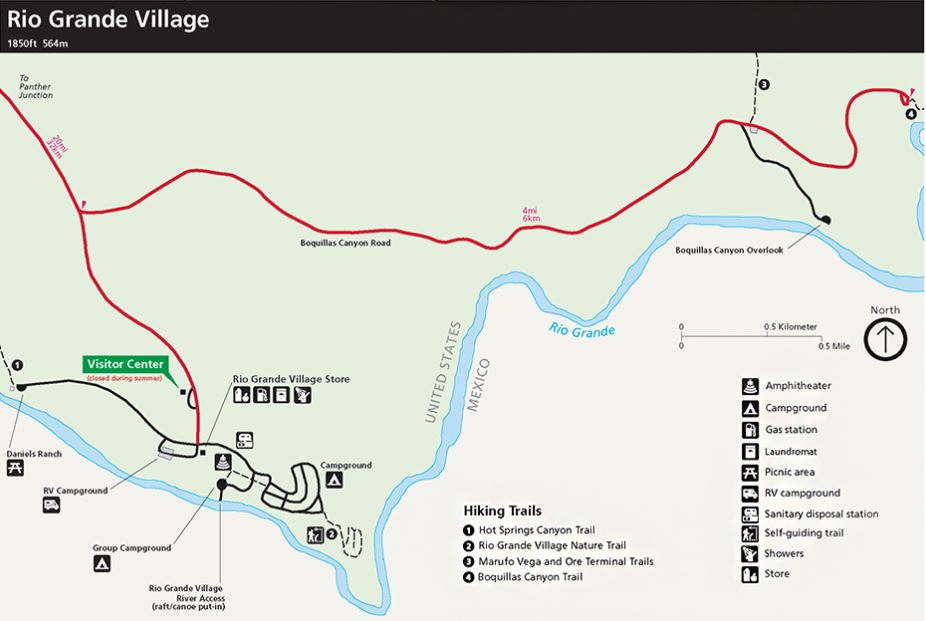
On your third day in Big Bend National Park with kids, explore the highlights on the east side of the park including the Rio Grande Village. It is located in the southeast portion of the park’s southern border with Mexico. There are several activities you can do along the river including hiking, taking a dip in the natural hot springs, and even going to Mexico.

Fossil Discovery Exhibit
The Fossil Discovery Exhibit on the northeast side of the park is an absolute must-see. This exhibit takes visitors back in time to 130 million years ago, encompassing a remarkable span of geologic time.

You’ll be amazed by the specimens on display from Big Bend’s impressive fossil record, and the vivid artwork brings the ancient world back to life before your very eyes. The exhibit highlights the incredible story of Big Bend’s ancient life, making it the perfect educational destination for those visiting Big Bend National Park with kids.


The Fossil Discovery Exhibit is located on the road between the Persimmon Gap and Panther Junction Visitor Centers.
Panther Junction Visitor Center
The Panther Junction Visitor Center is worth stopping at. With exhibits that provide an overview of geology, as well as insights into the park’s rich past, visitors can expect to leave with a deeper understanding and appreciation of what makes Big Bend special.

In addition to the exhibits, a theater showcasing a park orientation movie is also available. Visitors can shop at the extensive gift shop and Big Bend Natural History Association bookstore, mail a postcard at the U.S. Post Office on site, and take advantage of the conveniently located restrooms all within the visitor center.
Hiking Trails
Northeast of the Rio Grande Village in the Dugout Wells area is a short hike worth exploring. The Chihuahuan Desert Nature Trail is a half-mile loop that takes you through the heart of the desert and offers a unique perspective on the area’s plant and animal life. The trail is accessible for visitors of all ages and abilities and can be completed in about 30 minutes.
Another great short trail in the area is the Rio Grande Village Nature Trail located at the Rio Grande Village Campground. As you stroll along the 0.75-mile loop, keep your eyes peeled for the numerous birds that call the area home. Plus, if you time your visit just right, you can catch a glimpse of the sunset from the trail.
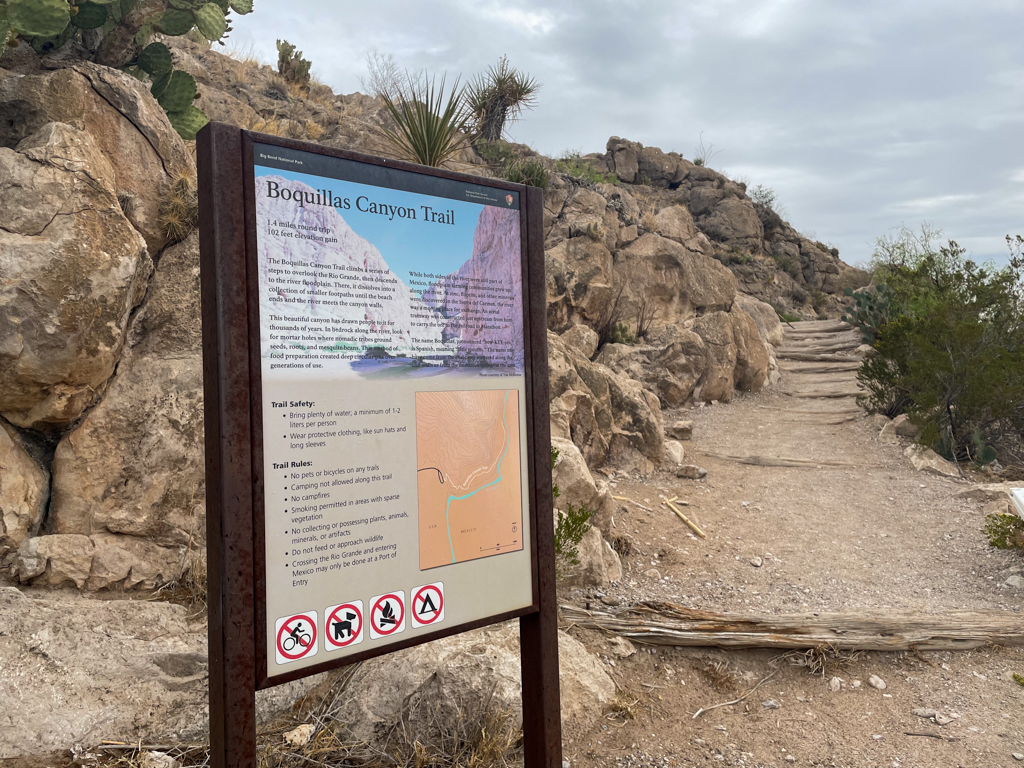
The Boquillas Canyon Trail is a short 1.4-mile round-trip trail that offers views of the Rio Grande from the top of a cliff. From this height, you’ll be able to take in the spectacular sight of the Rio Grande snaking its way through the landscape. If you’re looking for a quick hike that packs a punch, the Boquillas Canyon Trail is worth checking out.
Hot Springs
If you’re looking for a more relaxing activity in the park, visit the hot springs. These natural hot springs are located on the banks of the Rio Grande and are accessible via a short hike from the parking area. The hot springs are a great place to unwind and soak in the warm waters while taking in the surrounding natural beauty.

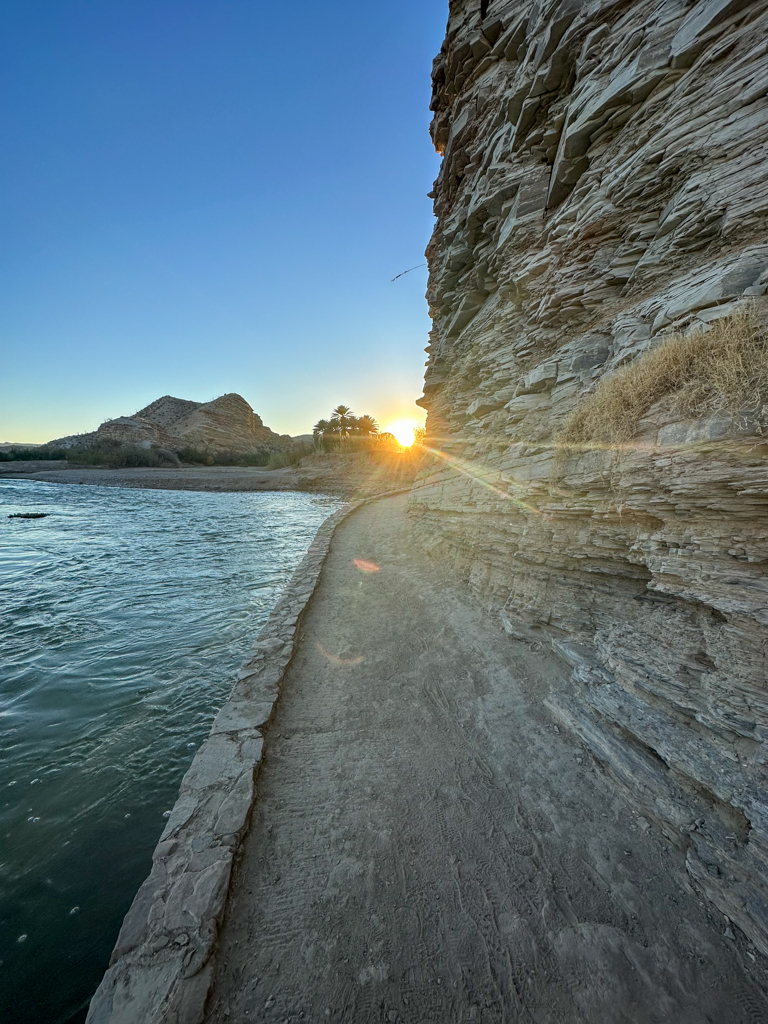
The hot springs can be accessed by trail after navigating the 2-mile gravel road to the trailhead. This gravel path is located on the south side of the road shortly before you arrive at the Rio Grande Village. Motorhomes and oversized vehicles are not allowed on portions of the Hot Springs road so it is best to plan accordingly.
Once at the trailhead, it is a half-mile round trip to the hot springs. Enjoy yourself but also be cautious. The water exits the spring at around 105 degrees Fahrenheit and both the temperature of the water and its caustic nature can cause skin burns.
Cross the Rio Grande to Mexico
Being able to cross an international border from a national park is a unique experience that Big Bend offers. If you have a valid passport, you can go and spend an hour or two eating lunch and doing a little shopping before heading back across the border.
Boquillas Crossing

To cross into Mexico you will want to park at the Boquillas Crossing parking lot located at the Port of Entry. In the winter, from November 2nd through April 30th, the border is open from 9:00 am to 4:00 pm, Wednesday through Sunday. In the summer, from May 1st through November 1st, it is open the same hours but Friday through Monday. You will want to make sure you are back in plenty of time to make it through the entry process.

After making your way to the river, you can pay $5 per person to cross on the “International Ferry”. Kids 7 and under are only $1 and are provided with life jackets. This international crossing consists of someone walking you across the Rio Grande in a small boat.
Once across the river, it is about half a mile to town. You can walk, ride in a truck, or ride a horse or donkey to get there. The horses, donkeys, and trucks are $10 to $15 per person round trip.

Be mindful that taking a ride means you’re basically engaging in a guided tour. While our guide was quite knowledgeable, he had an agenda of places for us to visit and expected a gratuity for the service at the end – it wasn’t an issue but took me by surprise as I hadn’t prepared for it.
Restaurants in Boquillas
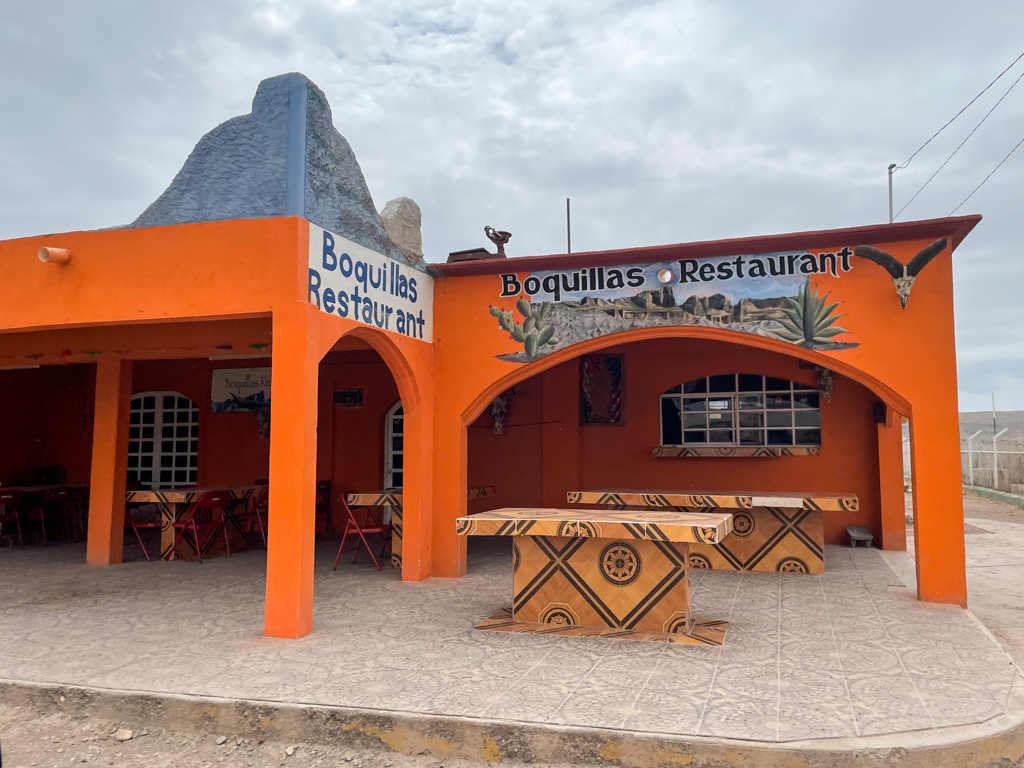
When it comes to dining options in Boquillas, there are two restaurants to choose from: Jose Falcon and Boquillas Restaurant. Both establishments offer a menu of simple but good food. Jose Falcon also offers great views of the Rio Grande. Be sure to make time for a meal at either of these delicious restaurants – your taste buds will thank you!

Souvenirs
Visiting Boquillas, Mexico is a unique and memorable experience that calls for a special kind of souvenir to preserve the memories of the trip. Amongst the many options available, bracelets, cups, aprons, and blankets are some of the most popular choices.
I feel it is important to point out that visiting Boquillas is a very touristy activity. As soon as you step into Mexico, you are constantly asked to buy things, typically bracelets, from the children of the town. It was a fun experience for our family, especially our 6-year-olds, but I would recommend you skip it if you are short on time.
How to Spend Extra Days in the Big Bend Region
If you have a few extra days to explore the Big Bend region, there are several nearby towns, attractions, and exciting activities worth checking out.
Float the Rio Grande
An extra special opportunity in Big Bend National Park is getting out on the Rio Grande. You can use Float the Canyons of the Rio Grande for a guided 7.5-hour journey in a kayak, canoe, or raft. They handle all of the gear to make the experience as easy as possible for you. Just show up and enjoy the views.
Explore Big Bend Ranch State Park
For those looking for more outdoor opportunities in the area, Big Bend Ranch State Park is a great destination. This park covers over 300,000 acres of Chihuahuan Desert and offers stunning views of rugged mountains, canyons, and wide open spaces.
Visitors can explore miles of trails on foot, mountain bikes, or horseback. With its breathtaking scenery and abundance of outdoor recreation opportunities, Big Bend Ranch State Park is a great addition to your Big Bend itinerary.
Day Trip to Fort Davis
A day trip to Fort Davis is a great way to take in the beauty of the area, explore the history, and get a glimpse into West Texas culture. Some locations to explore the outdoors include the expansive Davis Mountain State Park and the Chihuahuan Desert Nature Center.
For a history lesson, stop by the Fort Davis National Historic Site to see the Indian Wars’ frontier military post from the late 1800s. In addition to the fort, there are hiking trails as well as a junior ranger program for the kids.
One of the unique attractions in Fort Davis is the McDonald Observatory. They offer special daytime and evening programs including guided tours, solar viewings, and star parties.
Whether you’re a fan of wildlife or astronomy or simply looking for something fun to do in the Big Bend region, a day in Fort Davis is a great way to spend your time.
Day Trip to Alpine
Alpine is another great day trip while visiting the Big Bend region. Spend some time at the Museum of the Big Bend learning the natural history and human history of the area. Take a walking tour of the beautiful murals around town. If you time your visit right, you can even attend one of Alpine’s special events throughout the year.
Cost of Big Bend National Park
The entrance fee for Big Bend National Park is $30 per vehicle. If you plan on visiting multiple national parks throughout the year, purchase the $80 America the Beautiful annual pass.
How to Get to Big Bend National Park
Big Bend National Park is in a remote location. It takes some planning to get there.

Closest Airport to Big Bend National Park
There are a few airport options to choose from to get to Big Bend. The closest airport is the Midland International Air & Space Port, which is located about 235 miles north of the park.
Another option is the El Paso International Airport, which is approximately 330 miles west of the park. Both airports offer rental car services, so you can easily drive to the park and enjoy the stunning scenery.
What is the closest town to Big Bend National Park?
Terlingua, only 10 miles from the park, is the closest town to Big Bend.
Approximate Drive Times to Big Bend
Big Bend is a massive park. Depending on which area of the park you’d like to explore, you can access it either from the west side or the east side.
Drive Times to the West Side of Big Bend
- Terlingua to Big Bend: 15 minutes | 10 miles
- Alpine to Big Bend: 1.25 hours | 85 miles
- Fort Davis to Big Bend: 1.75 hours | 105 miles
- Marfa to Big Bend: 1.75 hours | 110 miles
Drive Times to Persimmon Gap in Big Bend
- Marathon to Big Bend: 40 minutes | 42 miles
- Alpine to Big Bend: 1 hour | 75 miles
- Marfa to Big Bend: 1.5 hours | 100 miles
- Fort Davis to Big Bend: 1.5 hours | 100 miles
Car Information
If you are needing to rent a car, there are some factors to consider when deciding what type of car to choose. You can explore plenty of Big Bend National Park in a standard car. There are over 100 miles of paved roads.
However, an SUV might be preferable since you will want to pack food and drinks for your visit and may drive on dirt roads if you thoroughly explore the park.
Improved dirt roads in the park are generally accessible for all vehicles. Primitive dirt roads and Grapevine Hills Road are only accessible with a high-clearance 4WD vehicle.
Where to Stay in Big Bend National Park
Big Bend National Park has lodging and camping options to choose from.
Big Bend National Park Lodging

The only lodging available in the park is the Chisos Mountains Lodge. They offer a variety of rooms including standard motel rooms and lodge rooms. The lodge is nestled in the Chisos Mountains and is absolutely worth staying at for the experience.
Big Bend National Park Camping
Big Bend National Park has four campgrounds conveniently spread throughout the park. Reservations are required.
- The Chisos Basin Campground, nestled in the Chisos Mountains, contains 56 sites.
- The Rio Grande Village Campground, set in a grove of cottonwood and acacia trees, contains 93 total sites.
- Cottonwood Campground, in the western corner of Big Bend, only has 22 sites and is in a quiet area.
- Rio Grande Village RV Campground, specifically for RVs, is the only campground in the park with full hookups. It has 25 back-in sites.
Where to Stay Near Big Bend National Park
Whether you prefer rustic charm or modern luxury, there’s lodging nearby to suit your style. One appealing option is the small town of Terlingua, which boasts an array of VRBO options just minutes from the park entrance.
Alternatively, Marathon offers a range of VRBO options along with the upscale Gage Hotel. For those seeking a wider array of choices, Alpine and Marfa, both within easy driving distance, offer a mix of VRBO rentals and hotels.
Take a look at the map below for a large selection of accommodation options near Big Bend National Park. Feel free to add dates and apply filters to get the most accurate listings for your trip.
Big Bend National Park Travel Tips
Before embarking on a trip to Big Bend National Park with kids, there are a few things to keep in mind. First and foremost, the park is located in a remote region of Texas, so it’s important to plan accordingly and bring all necessary provisions with you.
Bring Plenty of Water and Snacks
The park is located in a remote area, and there are few amenities available. It’s important to bring enough water and snacks to stay hydrated and energized throughout the day. There are convenience stores located at the Rio Grande Village, Chisos Basin, and Castolon if you find yourself needing supplies.
Wear Appropriate Clothing
The park can get very hot during the day and very cold at night. It’s important to dress in layers and wear sun protection including hats, sunglasses, and sunscreen.
Respect the Wildlife
Big Bend is home to a diverse range of wildlife, and it’s important to respect their space and keep a safe distance. Do not feed or approach any wildlife, as this can be dangerous for both you and the animals.
Leave No Trace
Big Bend is a fragile and unique ecosystem, and it’s important to leave it as you found it. Keep it beautiful by following the Leave No Trace principles and packing out all trash and waste.
Plan Ahead
Big Bend is a large park, and there is a lot to see and do. It’s important to plan ahead and prioritize the activities and sights that are most important to you. Make sure to check park hours and trail conditions before heading out. If you are staying within the park, you must make those reservations in advance.
Fill Up in Advance
While there is gas available at the Panther Junction Service Station and the Rio Grande Village Service Station, make sure your car has plenty of gas before you head to the park.
Big Bend National Park FAQs
Is Big Bend worth it?
Yes, Big Bend National Park is worth visiting. The park offers a unique natural landscape that is unlike any other in the United States. The park’s diverse range of environments, from the Chisos Mountains to the Rio Grande to the desert plains, offers visitors an opportunity to experience a wide variety of activities and sights.
What is the best time of year to go to Big Bend?
The best time to visit Big Bend National Park is during the spring (March-May) and fall (September-November) months, when the temperatures are moderate. During these months, visitors can enjoy the park without having to contend with the extreme heat of summer.
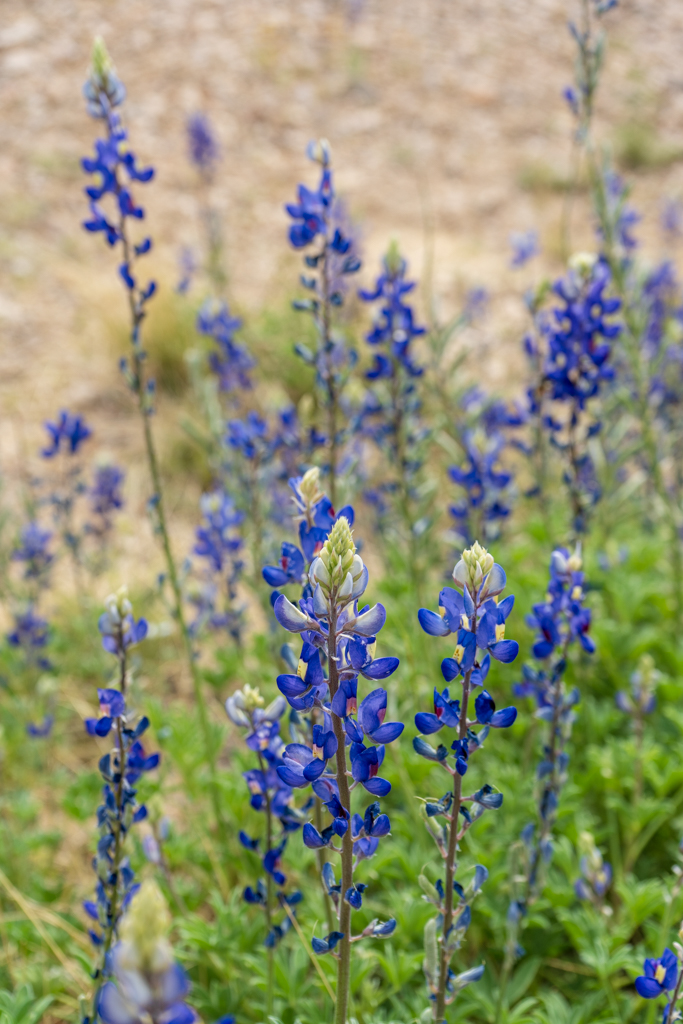
These months also offer the best opportunities for viewing the park’s diverse wildlife and blooming flora.
How many days do you need in Big Bend National Park?
To truly experience the wonders of Big Bend National Park, it is recommended to spend at least three days exploring its vast and varied landscape. This will allow you to properly visit the three distinct areas of the park: the Ross Maxwell Scenic Drive, the Chisos Mountains, and the Rio Grande Village area.
Can you see Big Bend in a day?
Technically yes, you can see Big Bend National Park in one day. Just know that you will not be able to see all of the highlights that this park offers.
Big Bend is a huge park. It takes time to get around. If you only have one day, prioritize the areas that you are most interested in seeing.
The Ross Maxwell Scenic Drive should not be missed. If you have time, make the drive to the Chisos Mountains. Plan to stay late in the park to watch the sunset and see the incredibly dark sky.
Can you just drive through Big Bend National Park?
While you certainly can just drive through Big Bend National Park, it would be a shame to miss out on the hiking trails, hot springs, and other outdoor activities that the park has to offer. If you are set on just driving through, it is about 50 miles from one national park entrance sign to the other.
How long does it take to drive through Big Bend National Park?
From one Big Bend National Park sign to the other is an hour’s drive and about 50 miles. That doesn’t include driving to the Chisos Mountains, taking the Ross Maxwell Scenic Drive, or driving to the Rio Grand Village.
The Chisos Basin Road is a steep 6-mile climb to the top. The Ross Maxwell Scenic Drive on the western edge of the park is 30 miles. Panther Junction to Rio Grande Village on the east side of the park is 21 miles.
Can you go swimming in Big Bend?
While it is not specifically prohibited, swimming in the Rio Grande in Big Bend National Park is not suggested. Due to dangerous underwater conditions and the possibility of micro-organisms, it is best to enjoy the river from the bank or on some sort of watercraft.
If you want to relax and soak in some water while at the park, the hot springs located in the Rio Grande Village area of the park are the best place to visit. Soak in the springs and stay out of the adjacent river channel due to the unpredictable depths and currents.
Do you need a passport for Big Bend?
You do not need a passport for Big Bend National Park if you intend to stay within the park itself. If you want to cross the Rio Grande to visit Boquillas, Mexico, then you will need your passport to return through the port of entry.
Do you need a passport to cross into Mexico from Big Bend National Park?
Yes, if you plan to cross into Mexico from Big Bend National Park, you will need a valid passport or other travel documents to re-enter the United States.
The Boquillas Crossing Port of Entry, located in the Rio Grande area of the park, is only available on certain days of the week. Hours are typically from 9:00 am to 4:00 pm. Check the latest hours before your visit.
Final Thoughts on Visiting Big Bend National Park with Kids
Big Bend National Park with kids is a truly unique and spectacular natural wonderland, and visiting for three days is the perfect amount of time to experience the main areas the park has to offer. From hiking in the Chisos Mountains to exploring the desert, there is something for everyone in Big Bend.
Big Bend National Park is truly a unique and special place, and we hope that this guide has helped you plan an unforgettable road trip.
- More National Parks in the area:


